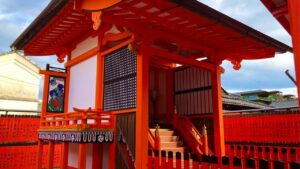
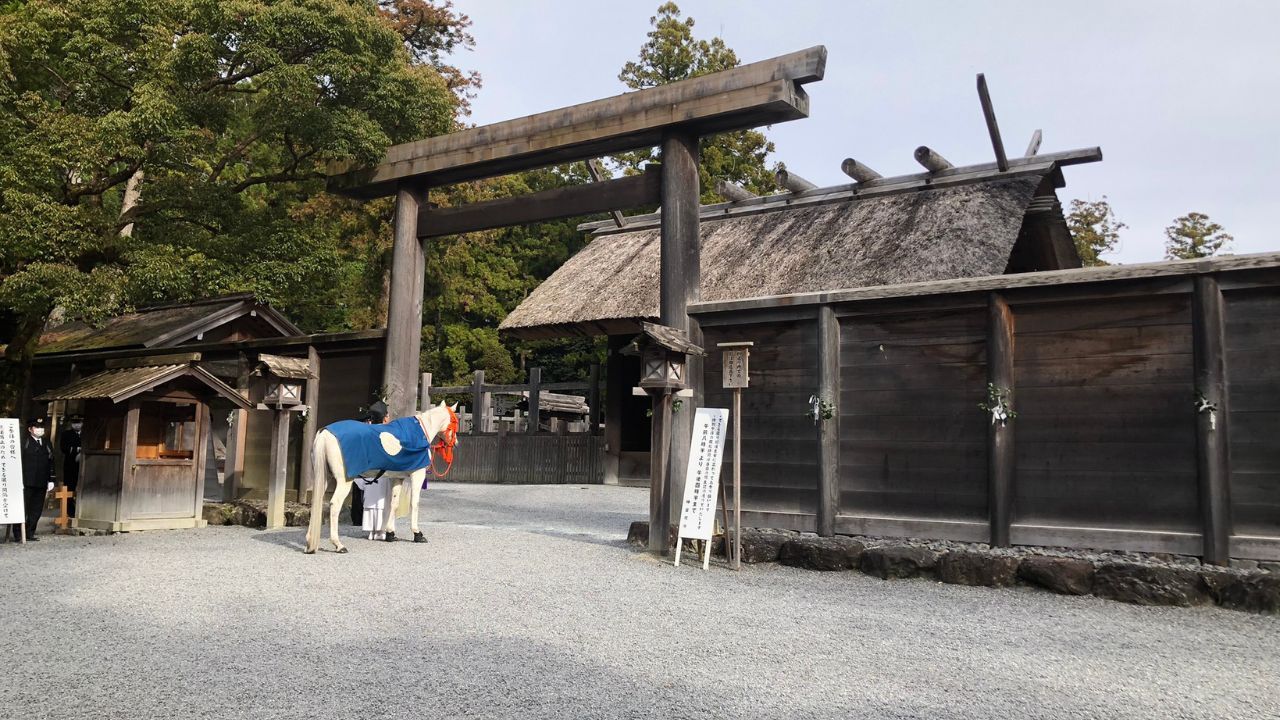
With the recent boom in red seal stamps and the increasing number of TV programs featuring shrines in Japan, people of all ages and both sexes are often seen worshipping at shrines.
However, there are still some people who visit shrines without knowing how to pray.
Although it is important to have a good feeling when visiting shrines, you can receive various blessings if you learn the proper way to visit shrines and become a god’s favorite.
Once you pass through the torii gate, you enter the Shinto shrine.
It is said that there is a shrine within the precincts of a certain shrine that can never be found by disrespectful worshippers, so it is likely that the gods are watching people.
Therefore, just by knowing how to visit a shrine, you will be favored by the gods and give your family and girlfriend the impression that you are well behaved.
We have compiled a list of the basics that you need to know to be a good worshipper at a shrine.
And let your love of shrines begin!
Basics of Worship to Pray at Shrines in a Pure and Honest Manner
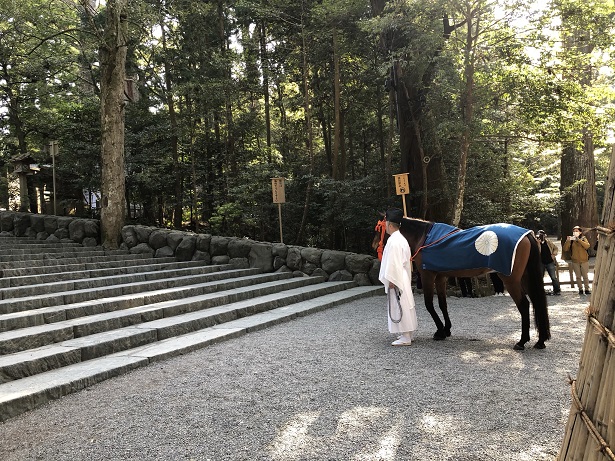
It is easy to think that visiting a shrine is a formal affair, but it is surprisingly easy to learn the etiquette.
- Greet (bow) in front of the torii gate
- Walk on either side of the approach to the shrine
- Purify your hands and mouth (purify your mind) at the hand- and mouth-cleansing booth
- Stand in front of the money box and pray with two beats and one bow
- Receive a red seal only after you have finished paying your respects
Once you remember, the method of worship is the same in all shrines (there are some shrines that are very different).
Let me explain in turn.
Bow before passing through the torii gate.
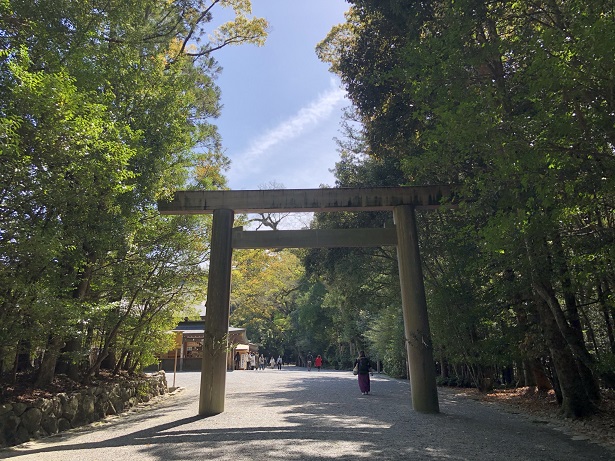
The torii gate of a shrine represents the boundary that separates the Shinto realm from the general public. Therefore, it is considered polite to pass through the torii gate with a bow. Similarly, when leaving the shrine after praying, one should stop in front of the torii gate, turn toward the shrine grounds, and bow.
Torii are counted from the entrance as Ichi-no-Torii, Ni-no-Torii, and San-no-Torii. The more torii there are, the closer you get to the main shrine and the purer the space becomes.
Some shrines have a parking lot near the second torii (second shrine gate), and you may want to walk to the main shrine from there, but we recommend that you return to the Ichino Torii (first shrine gate) and worship there.
Walking on the approach to the temple, avoiding the middle of the road
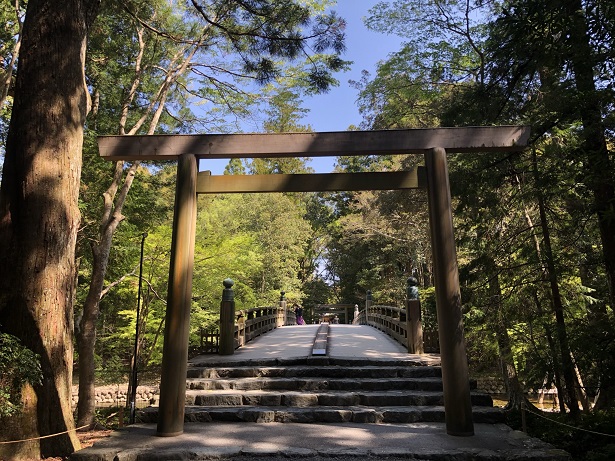
The path leading from the torii gate to the shrine grounds is called the “approach.
People who are unaware of this fact usually walk down the middle of the approach, but the middle of the approach is called “seichu” (the middle of the road) and is considered to be the pathway of the gods.
Therefore, when walking on the approach to the shrine, avoid walking in the middle and walk along the edge.
Purify your hands and mouth at the hand- and mouth-watering bucket stall
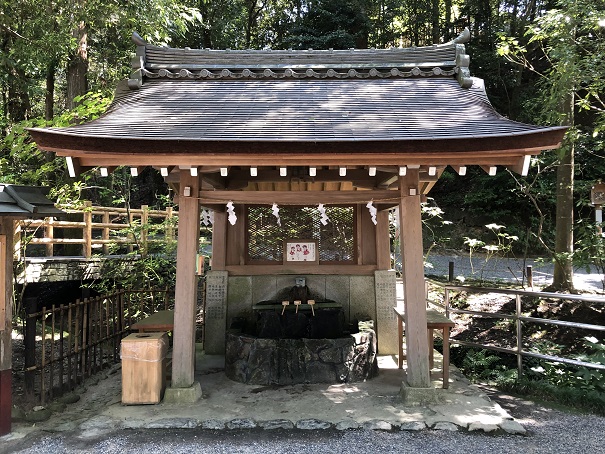
At larger shrines, there is a “tezumiya” (water purification room) by the approach to the shrine, and at smaller shrines, there is a “chozusha” (water purification room) at the end of the shrine grounds after passing through the torii (gate).
Before entering the main shrine, purify your hands and mouth here. This purification is an abbreviated form of misogi, a ceremony to purify the body and soul by removing impurities.
I have written in most of the handbasins, but the manner of…
- Hold the ladle in your right hand and let the left hand flow
- Switch the ladle to your left hand and let the water flow down your right hand
- Switch the ladle to your right hand, catch the water in your left hand, and rinse your mouth
- Let the water flow down your left hand again
- Turn the ladle upside down and use the remaining water to wash the handle of the ladle
This is the basic etiquette, but it does not matter if the left or right side is wrong. The important thing is to cleanse the mouth and hands.
Praying in front of the money box in the shrine pavilion
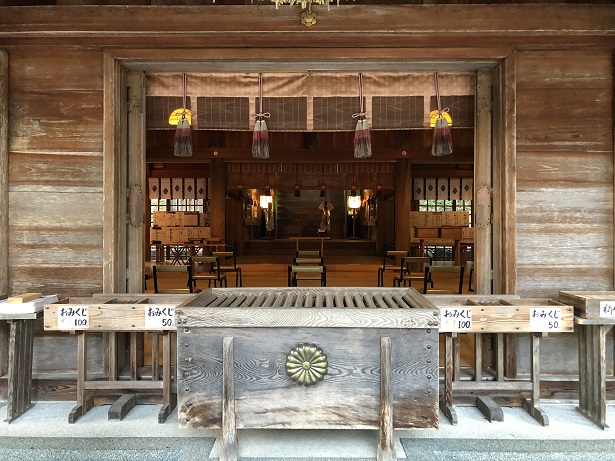
After purifying yourself at the water closet, go to the shrine pavilion where the deities of the shrine are enshrined.
Praying in front of the money box in the shrine pavilion…This may sound like an ordinary thing to say, but the place in the shrine grounds where the deities are enshrined is called the “main hall” and the place in front of the main hall where visitors pay their respects is called the “hall of worship”, but some shrines have neither a main hall nor a hall of worship, and some shrines enshrine stones as their sacred objects. However, there is a money-offering box in front of it as a landmark.
When walking along the approach to the shrine, we avoided the center of the shrine, but it is no problem to stand in front of the shrine if you are paying your respects.
At shrines where various deities are enshrined, such as regent shrines and subordinate shrines, the first greeting should be to the main deity. Even in the world of shrines, it is polite to greet the first deity first.
Put your money in before praying. Since it is an offering to the gods, do not throw it into the money box carefully.
The basic way of worshipping the gods is “nihai ni clap-toe ichihai” (also called “nirei ni clap-toe ichirei”).
- Bow politely twice.
- Clasp hands together, lightly shift the right hand down and strike the hand twice
- Return the displaced right hand and join both hands in prayer.
- bow
You can get a red seal after visiting the shrine.
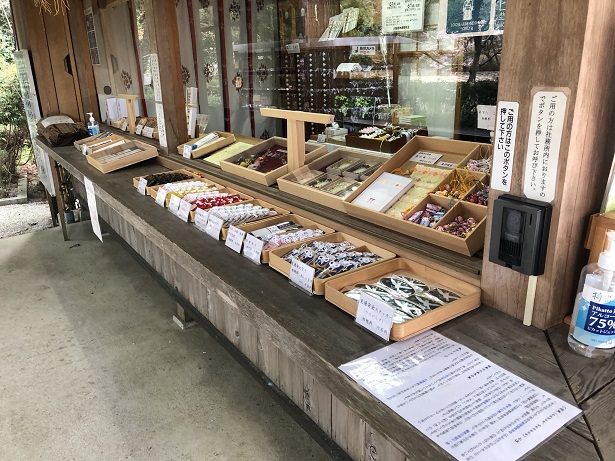
In Japan, red seal tours have recently become popular, but there are rules for receiving red seals, and they must be received after visiting a shrine.
If you want to receive a red seal, you must receive it after visiting a shrine. This is because a red seal is a mark of worship to the god of the shrine.
The notebook in which you receive the red seal is called a “Goshuin-cho” (red seal book), and the basic rule is to write the mark of your visit to the shrine directly on your own Goshuin-cho. If you forget to do so, you will receive a piece of paper with the red seal written on it and paste it on your red seal book.
Other Rules
Use the restroom before visiting the shrine.
If you need to use the restroom on the way to the temple, you will not be able to concentrate on your visit to the temple, so it is better to use the restroom before visiting the temple.
Pets are not allowed.
Basically, pets are not allowed on the shrine grounds. If you really want to visit a shrine with your pet, please check with the shrine. Shrines that do not allow pets may state, “Please refrain from bringing pets to the shrine as it is a Shinto sanctuary.
summary
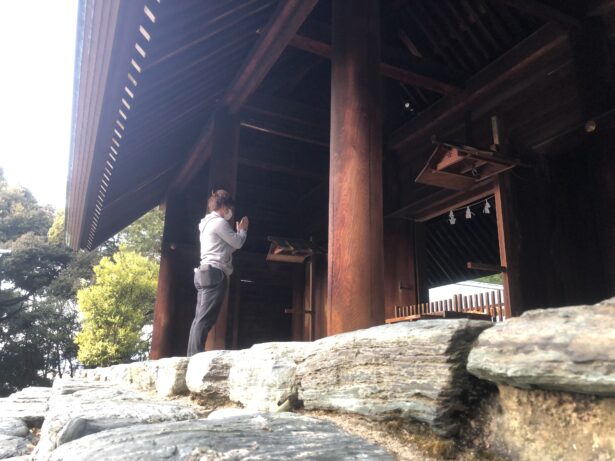
If you pray to God in a rude manner, he will not grant your wish. Therefore, the shortest way to have your wish come true is to remember the manners of worship and to visit the shrine with courtesy.
 novave
I’m on Instagram.
→→Click here for Instagram←←